Takeshi Nakamura
Architecture Editor
In a world obsessed with perfection, wabi-sabi offers a radical alternative: the celebration of the imperfect, the impermanent, the incomplete. This distinctly Japanese aesthetic philosophy, rooted in Zen Buddhism and the tea ceremony, finds profound beauty in cracks, asymmetry, and the gentle patina of age.
The Origins of Imperfection
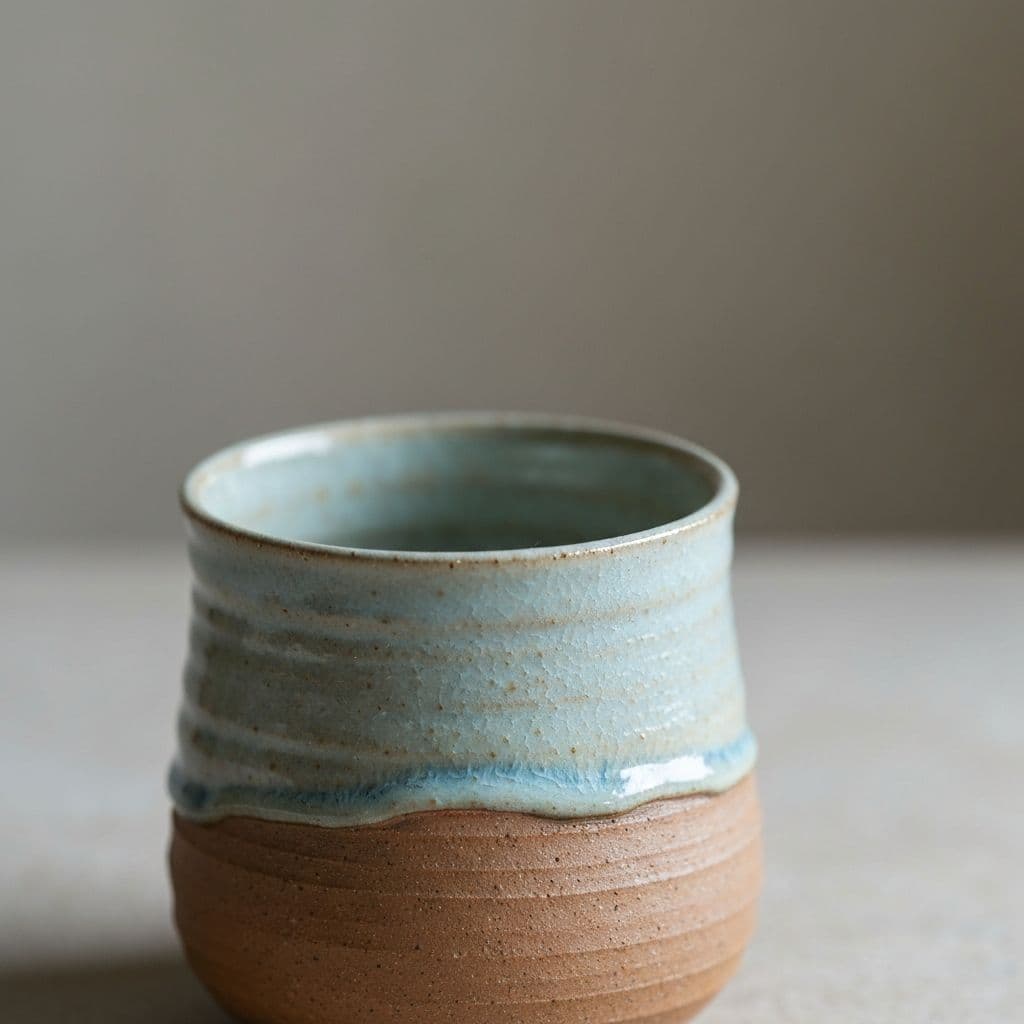
Wabi-sabi emerged from the tea ceremony traditions of fifteenth-century Japan, when tea master Sen no Rikyū rejected the Chinese-influenced pursuit of ornate perfection in favor of rustic simplicity. He chose rough, locally-made tea bowls over refined Chinese porcelain, finding in their irregularities a deeper truth about the nature of existence.
The term itself combines two concepts: wabi, originally meaning the loneliness of living in nature, evolved to suggest rustic simplicity and quietude; sabi means "the bloom of time," the beauty that comes with age and wear. Together, they describe an aesthetic that embraces transience and authenticity over permanence and polish.
Wabi-Sabi in Practice
Consider the tea bowl, central to wabi-sabi aesthetics. The most prized examples are those with slight warping, uneven glazes, or natural variations in color. When such a bowl cracks, the Japanese tradition of kintsugi repairs it with gold, transforming the damage into decoration, the flaw into feature.
"Wabi-sabi nurtures all that is authentic by acknowledging three simple realities: nothing lasts, nothing is finished, and nothing is perfect."
In architecture, wabi-sabi manifests in the preference for natural materials that age gracefully—wood that weathers to silver, stone that gathers moss, paper screens that soften light while admitting the sounds and seasons of the world outside. The traditional Japanese house is designed not to resist time but to collaborate with it.
Living Wabi-Sabi
To embrace wabi-sabi is to shift one's perception fundamentally. It means seeing beauty in the worn threshold stone, polished smooth by generations of feet. It means treasuring the antique chest not despite its scratches but because of them—each mark a record of lives lived, stories accumulated.
The homes we curate embody this philosophy. They are not showpieces frozen in artificial perfection but living spaces that welcome the marks of habitation, where a garden's natural evolution is preferred to manicured precision, where materials are chosen for how they will age, not merely how they appear new.